IID 4 ACP: Intercultural and Interreligious Dialogue for Active Citizenship and Participation
The Intercultural and Interreligious Dialogue for Active Citizenship and Participation (IID 4 ACP) training course brings together youth workers, educators, and representatives of civic and faith-based organisations across Europe to exchange tools, approaches, and experiences that foster intercultural and interreligious dialogue as a means to promote active citizenship and participation. Through interactive workshops, field visits, and peer-to-peer learning, the training course explores how dialogue between and within religious, spiritual, and secular communities can combat prejudice, reduce hate speech, and support the social inclusion of people seeking refuge in Europe.
Standort
Luxembourg
Dauer
July 2025
Schwerpunktbereiche
Intercultural dialogue, interreligious dialogue, active citizenship, social inclusion, migration and refugees, hate speech prevention
Finanzierungsprogramm
Erasmus+ in cooperation with KAICIID
Hauptaktivitäten
Interactive workshops, field visits, peer-to-peer learning, grassroots actor engagement, policy recommendation development, interfaith collaboration
Wichtige Aktivitäten & Lernen
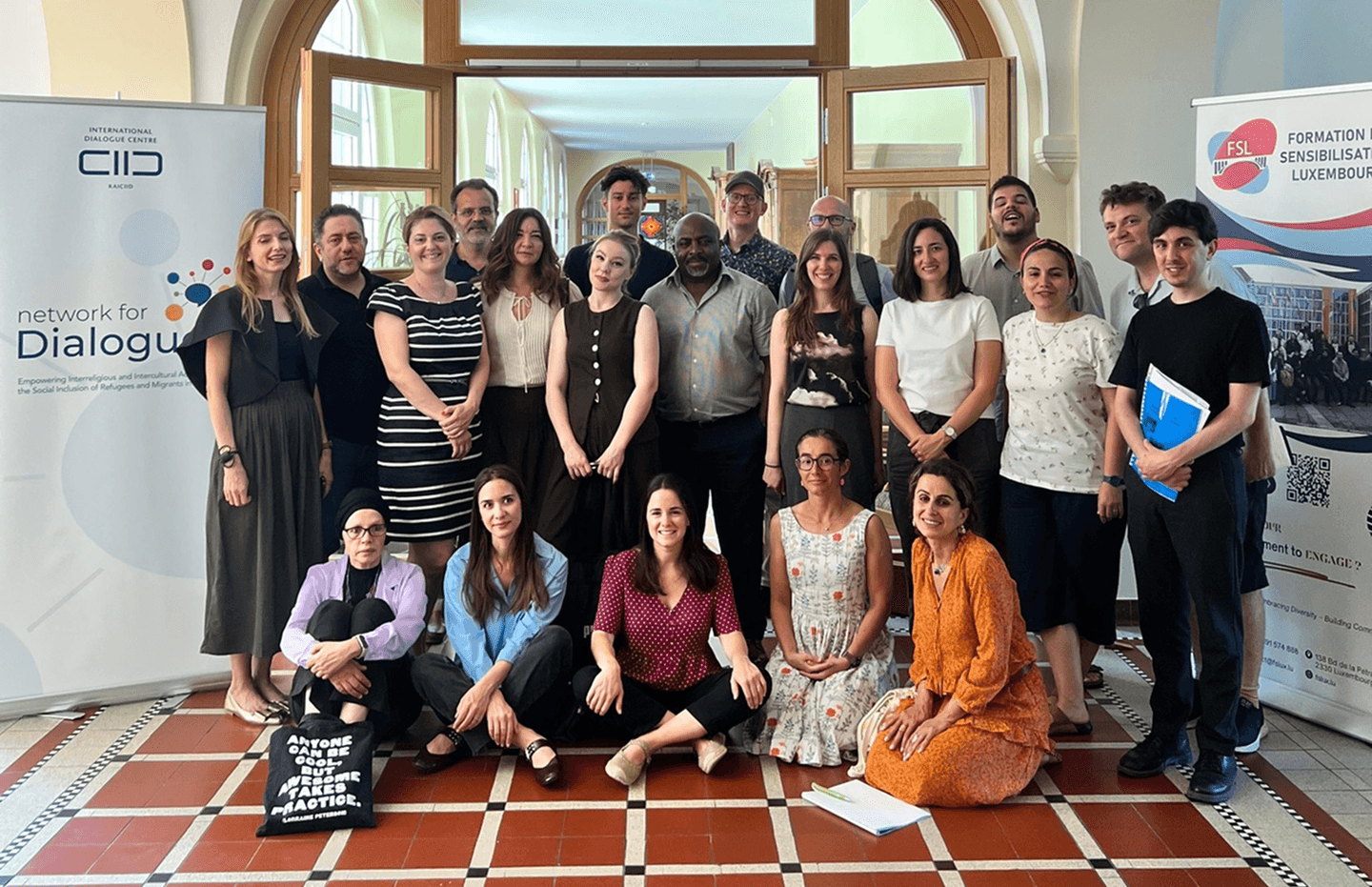
Interactive Workshops and Peer Learning
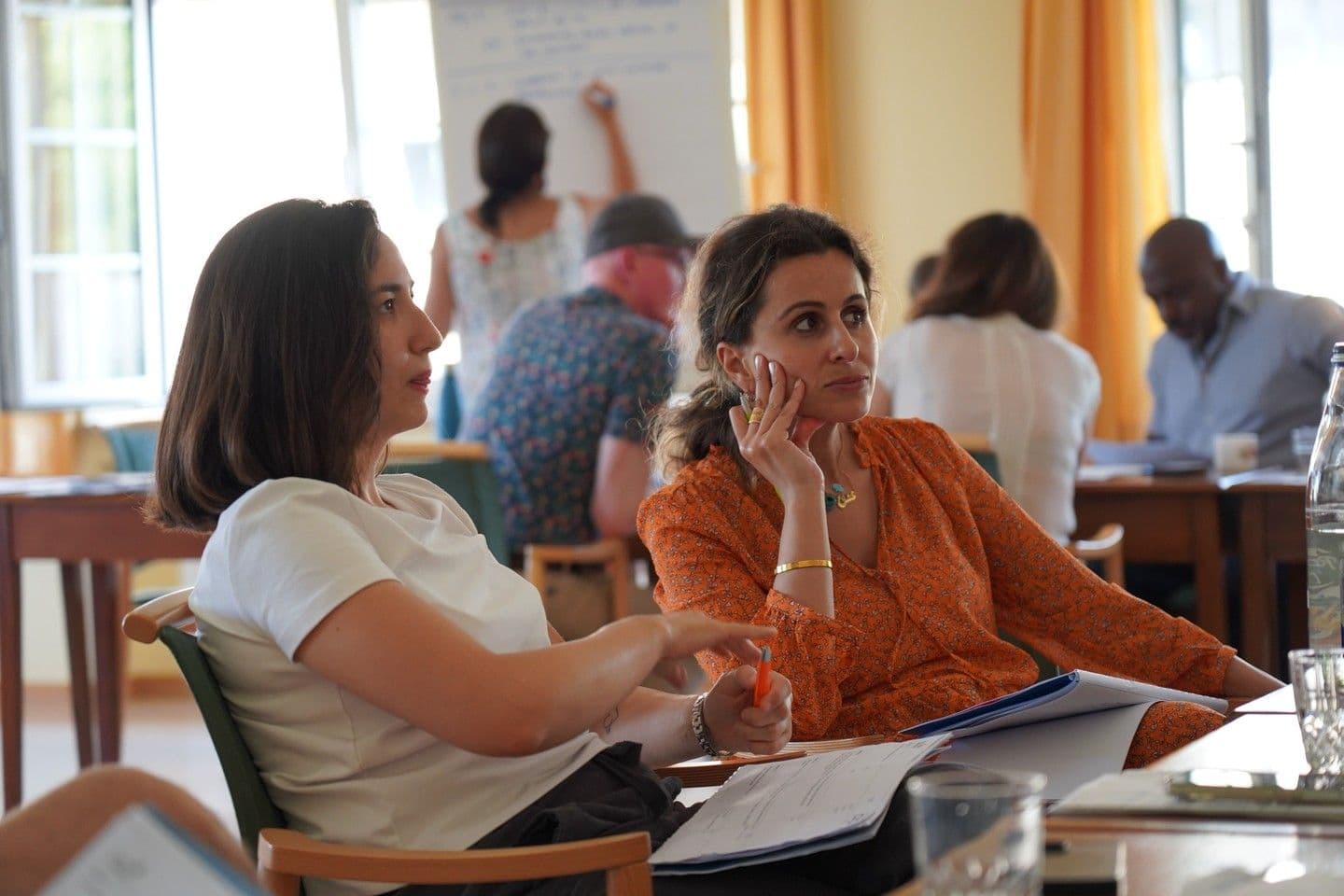
Through interactive workshops, field visits, and peer-to-peer learning, the training course explores how dialogue between and within religious, spiritual, and secular communities can combat prejudice, reduce hate speech, and support the social inclusion of people seeking refuge in Europe.
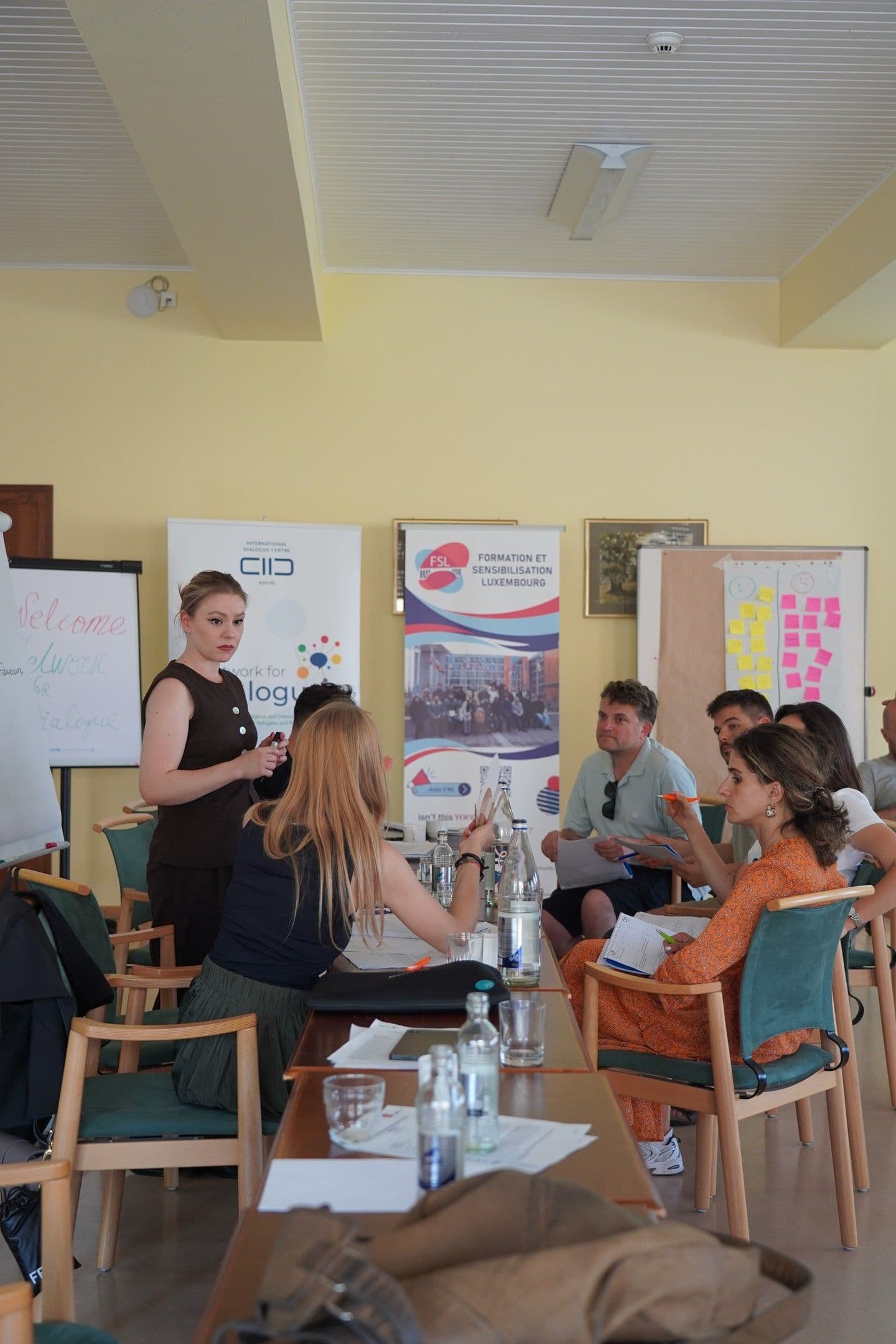
Field Visits and Community Engagement
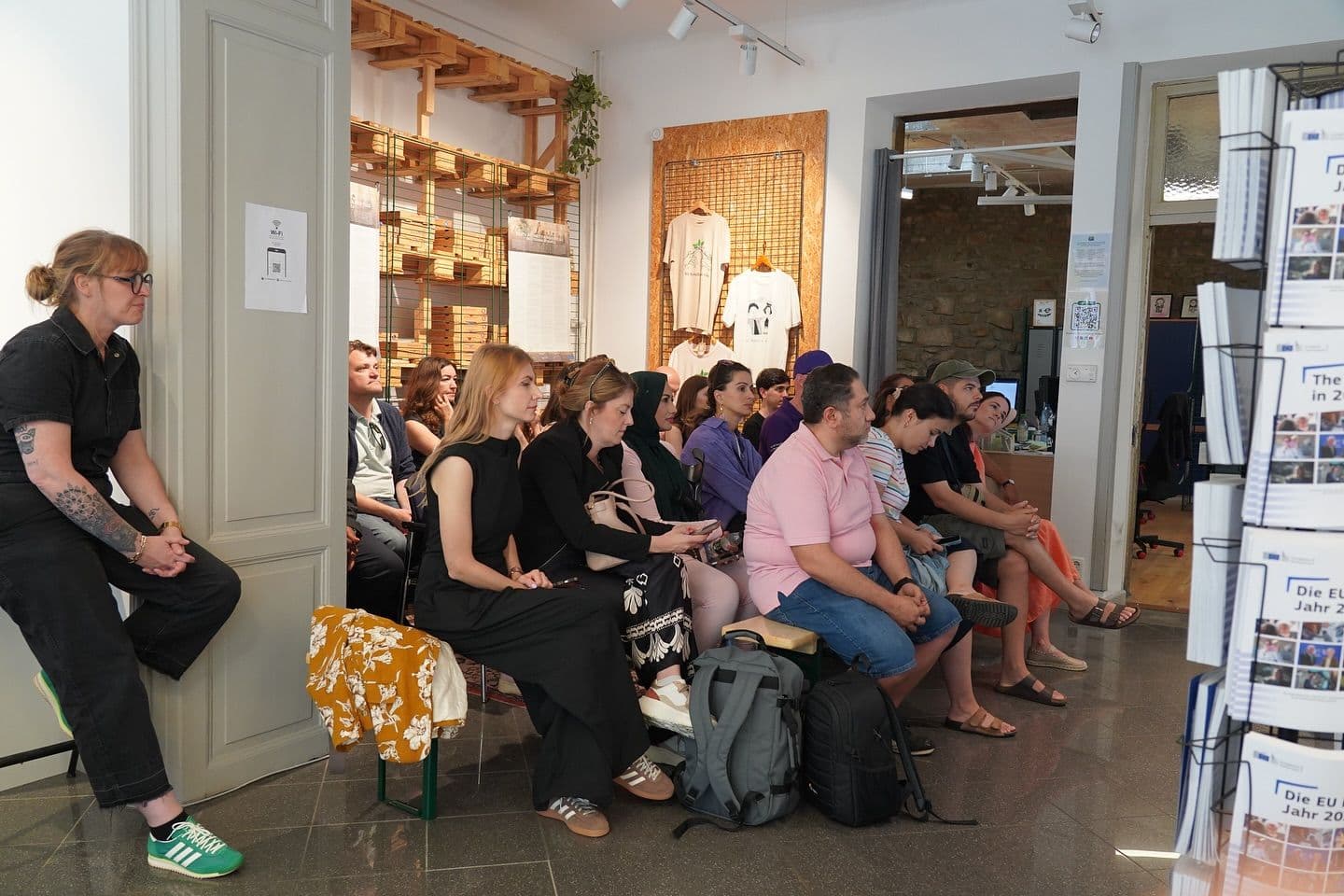
The training course offers a rich environment for reflection, engagement with grassroots actors, and co-creating strategies that foster youth empowerment, interfaith collaboration, and cross-cultural understanding. Participants gain practical insights into how religious, spiritual, and secular communities support inclusion, representation, and youth participation in civic life.

Gap Analysis and Challenge Identification
Participants will analyse gaps in current approaches and collaboratively develop recommendations for policymakers working on migration, integration, and youth participation at local, national, and European levels. The training identifies and addresses key challenges and opportunities in promoting interfaith and intercultural dialogue, particularly in multi-religious and multicultural societies.
Policy Recommendation Development
Participants collaboratively develop recommendations for policymakers working on migration, integration, and youth participation at local, national, and European levels. The training aims to co-develop policy recommendations to enhance the social inclusion and civic participation of young migrants and refugees across Europe.
Ergebnisse & Wirkung
Strengthened Capacity for Dialogue-Based Youth Work
To strengthen the capacity of youth workers and educators to foster active citizenship and participation through intercultural and interreligious dialogue. To explore how non-formal education can promote democratic values, inclusion, and social responsibility among youth from diverse backgrounds.
Policy Recommendations for Social Inclusion
Participants collaboratively develop recommendations for policymakers working on migration, integration, and youth participation at local, national, and European levels. To co-develop policy recommendations to enhance the social inclusion and civic participation of young migrants and refugees across Europe.
Practical Tools for Combating Prejudice and Hate Speech
The training course explores how dialogue between and within religious, spiritual, and secular communities can combat prejudice, reduce hate speech, and support the social inclusion of people seeking refuge in Europe. Participants share grassroots-level practices, tools, and methods that reduce hate speech and prejudice, especially toward migrants and refugees.
Building Belonging through Dialogue
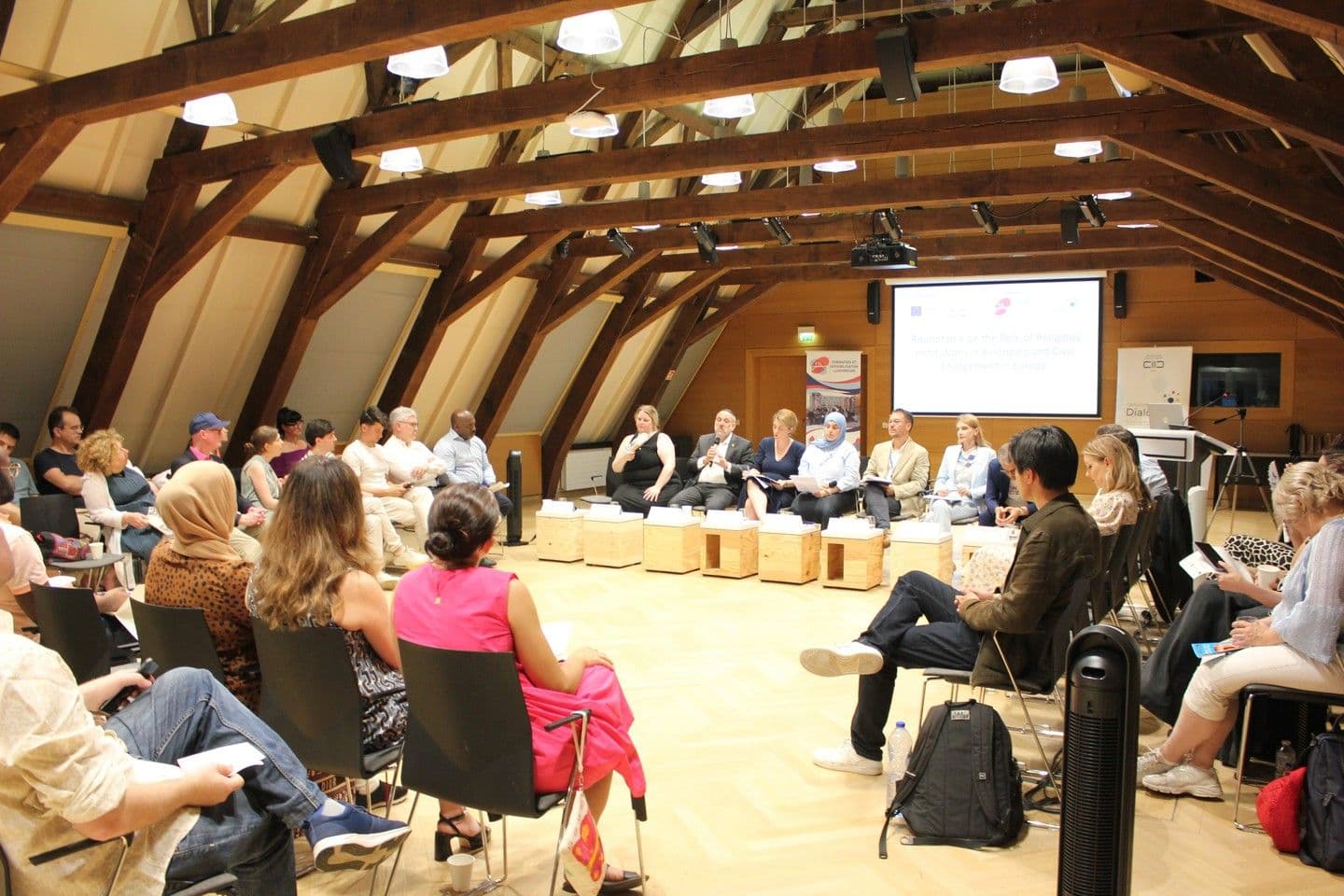
In July 2025, FSL partnered with KAICIID and the Ana Lindh Foundation to host a landmark roundtable at Abbey Neumünster, convening faith leaders, policymakers, and civil society representatives. The dialogue explored how religious institutions can foster shared citizenship, trust, and inclusion in diverse European societies, emphasizing the need for structural—not just symbolic—interfaith cooperation and the role of faith communities as partners in democratic governance.