#EMVI-LII: Empowering Migrant Voices for Local Integration
Integration happens in every village, city, and region where migrants live, work, and attend school, and the local level plays a key role. The EMV-LII project aims to enable and upscale migrants’ participation in the co-design and co-implementation of local integration strategies in Austria, Germany, Greece, Italy, Slovenia, Croatia, and Luxembourg and to implement and strengthen meaningful and sustainable participation mechanisms in local integration, such as migrants’ councils, e-participation tools, and policy advocacy.
Location
Austria, Germany, Greece, Italy, Slovenia, Croatia, Luxembourg
Duration
2024–2027
Focus Areas
Migrant participation, local integration, capacity-building, advocacy, inclusive policy
Funding
EU AMIF – Asylum, Migration and Integration Fund
Key Activities & Learnings
The project aims to support the development and implementation of local integration strategies by increasing migrants’ and Diaspora organization’s participation for more effective inclusion at local and regional level, with a special emphasis on including migrants with specific needs focusing on persons in need of international protection, young migrants and women.19 partners of which 8 local and regional authorities, will implement and strengthen meaningful and sustainable participation mechanisms in local integration as migrants’ councils, e-participation and policy advocacy.
Pillar 1: Empower Migrant Participation
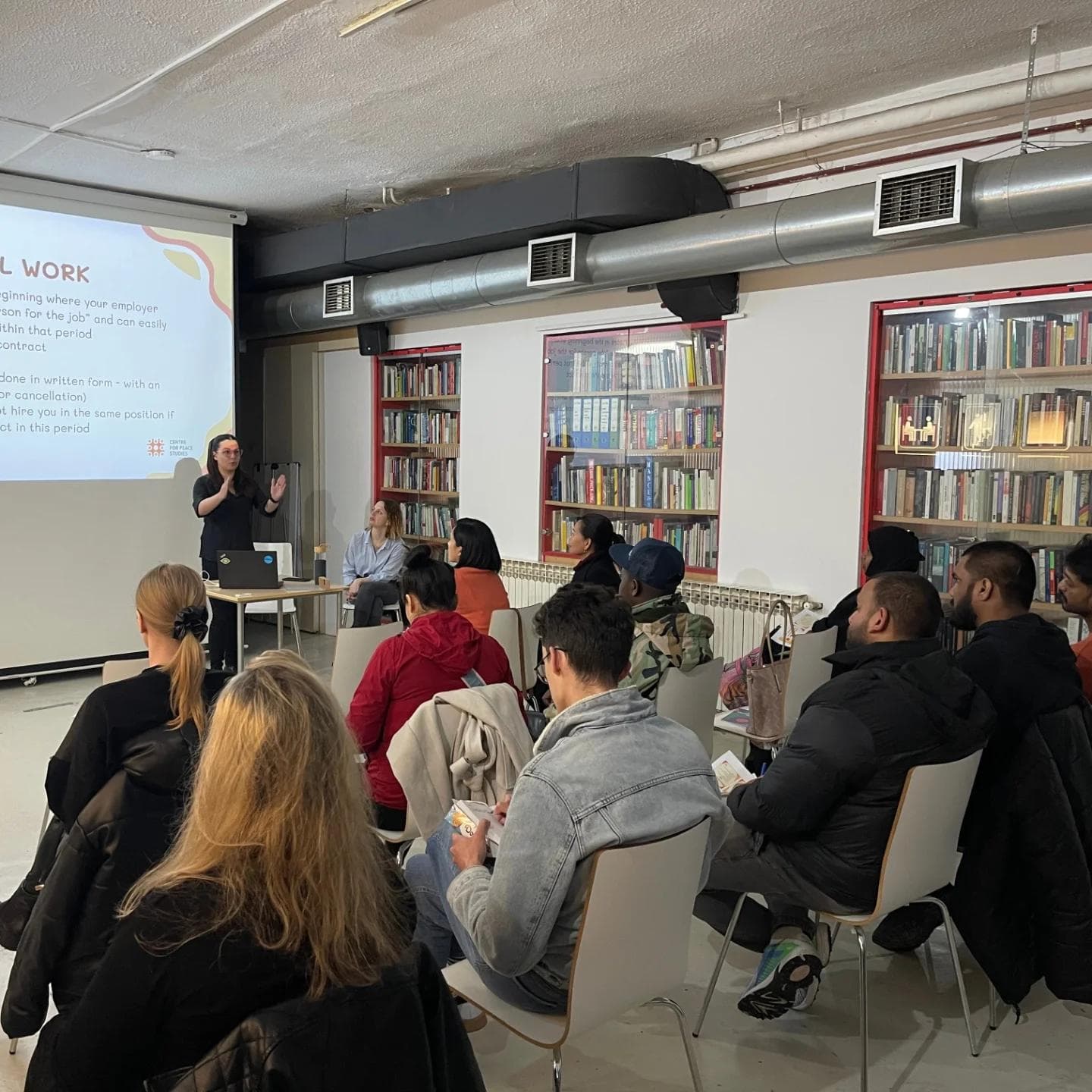
- Tailored training programs for migrants and their organizations on integration strategy involvement
- Legal training based on a rights-based approach
- Advocacy and participation support for migrant associations
Pillar 2: Train Local Authorities
- Trainings for local/regional politicians on participatory methods
- Anti-discrimination and inclusion trainings for authorities
- Migrant mediator training programs
- Multistakeholder workshops for co-designed strategies
Pillar 3: Strengthen Participation Mechanisms
- Issue-raising meetings between migrants and policymakers
- E-participation portal development
- Creation and support for Migrant Advisory Councils
- Advocacy campaigns by migrant organizations
Cross-cutting Instruments
- Baseline assessment of local integration strategies
- Cross-border cooperation and multistakeholder roundtables
- Policy advocacy at local, national, and European levels
- European Parliament policy roundtable in Brussels
Project Outcomes & Impact
The EC action plan on integration and inclusion 2021- 2027 recites:
Developing welcoming, diverse and inclusive societies (…) needs the engagement of both migrants and the receiving society. Including migrants and EU citizens with a migrant background as well as promoting their active participation in consultative and decision-making processes can help empower them and ensure that integration and inclusion policies are more effective and reflect real needs.
- Institutionalization of sustainable participation mechanisms like migrant councils
- Strengthened capacity of local authorities and migrant communities to co-shape policy
- Increased inclusion of marginalized migrant groups: youth, women, persons needing protection
- Cross-country collaboration fostering policy coherence across Europe