Pathways to Inclusion: Practices in Asylum, Migration and Integration (PIPAMI) – Study Visit to Luxembourg
“Pathways to Inclusion: Practices in Asylum, Migration and Integration” (PIPAMI-SV) was an international study visit organised by Formation et Sensibilisation Luxembourg (FSL) from 18 to 22 May 2026. The study visit brought together international partners involved in the EMVLII project to explore Luxembourg's approaches to migration, asylum, intercultural living together and social inclusion. Through institutional visits, exchanges with local stakeholders, discussions with researchers and meetings with civil society organisations, the programme aimed to connect European perspectives with practical experiences from Luxembourg.
Location
Esch-sur-Alzette and other municipalities in Luxembourg
Duration
18 – 22 May 2026
Funding
Funded by the European Union
Focus Areas
Asylum, migration, refugee integration, intercultural living together, social inclusion, migrant participation and European cooperation
Participants
International partners of the EMVLII project
Key Activities & Learning
Exploring Integration at the Local Level
The working programme began on 19 May with a visit to the Municipality of Schifflange, where participants engaged with local representatives, including Mayor Carlo Feiereisen and the Municipal Commission on Living Together. The exchange focused on Vivre-ensemble (living together), municipal approaches to social cohesion and the role of local governance in supporting inclusive communities. The programme also included a presentation of the EMVLII project by Stefan Grasgruber-Kerl from Südwind, Austria.
Migration History in Dudelange
In the afternoon, the programme continued with a visit to the Centre de Documentation sur les Migrations Humaines (CDMH) in Dudelange. Through presentations and a guided visit, participants explored the history of migration in Luxembourg, particularly in the country's southern industrial region.
Connecting Research, Policy and Practice
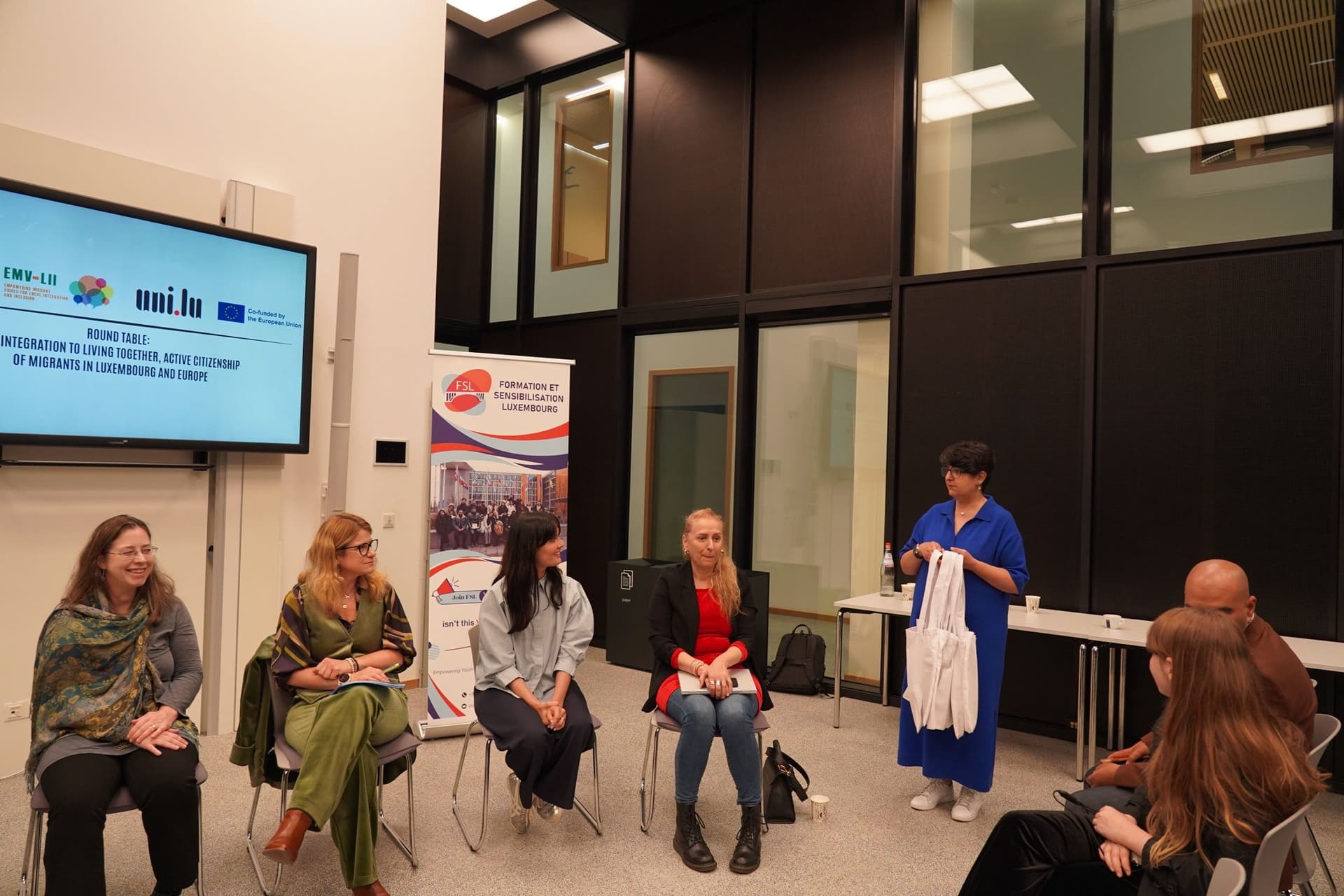
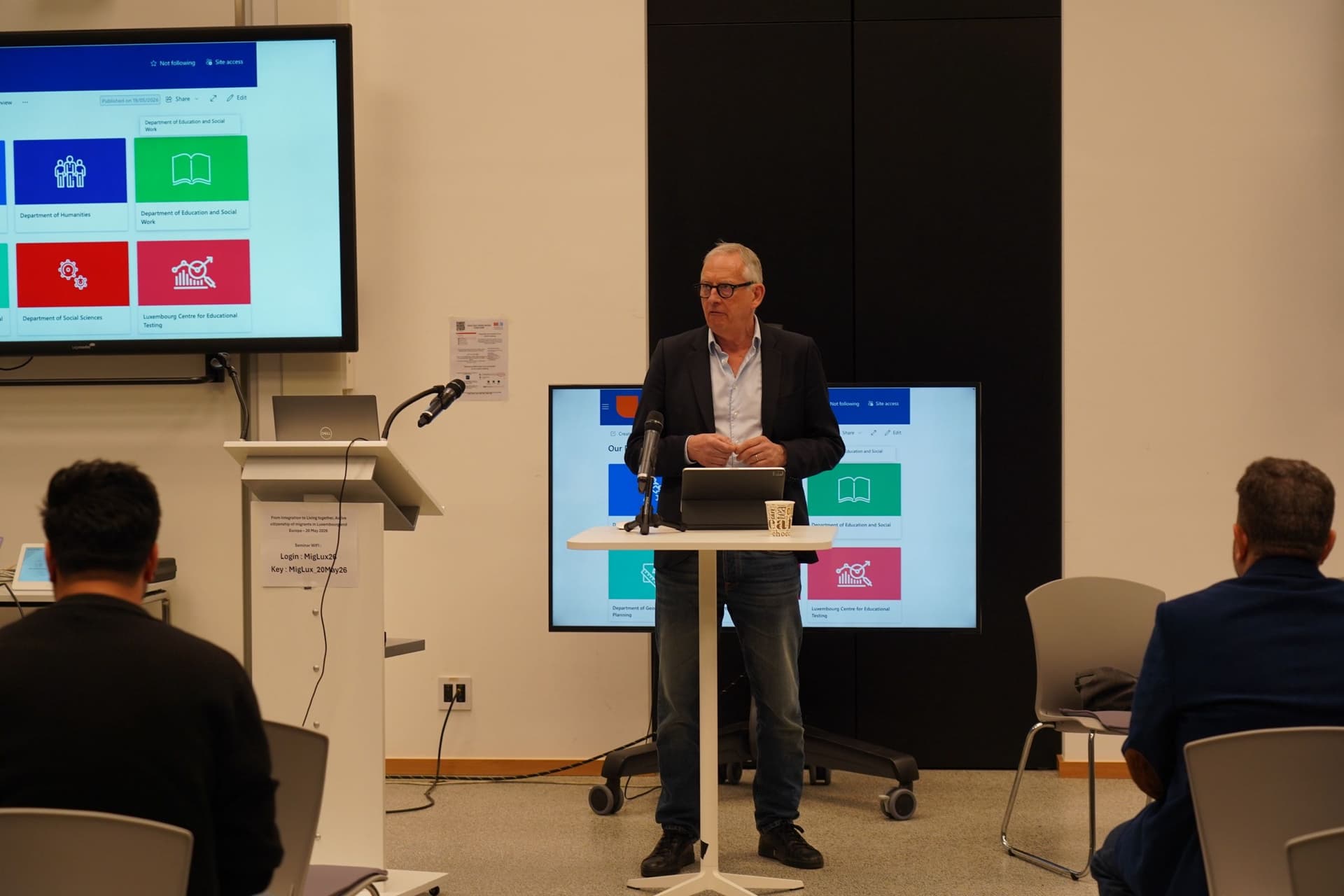
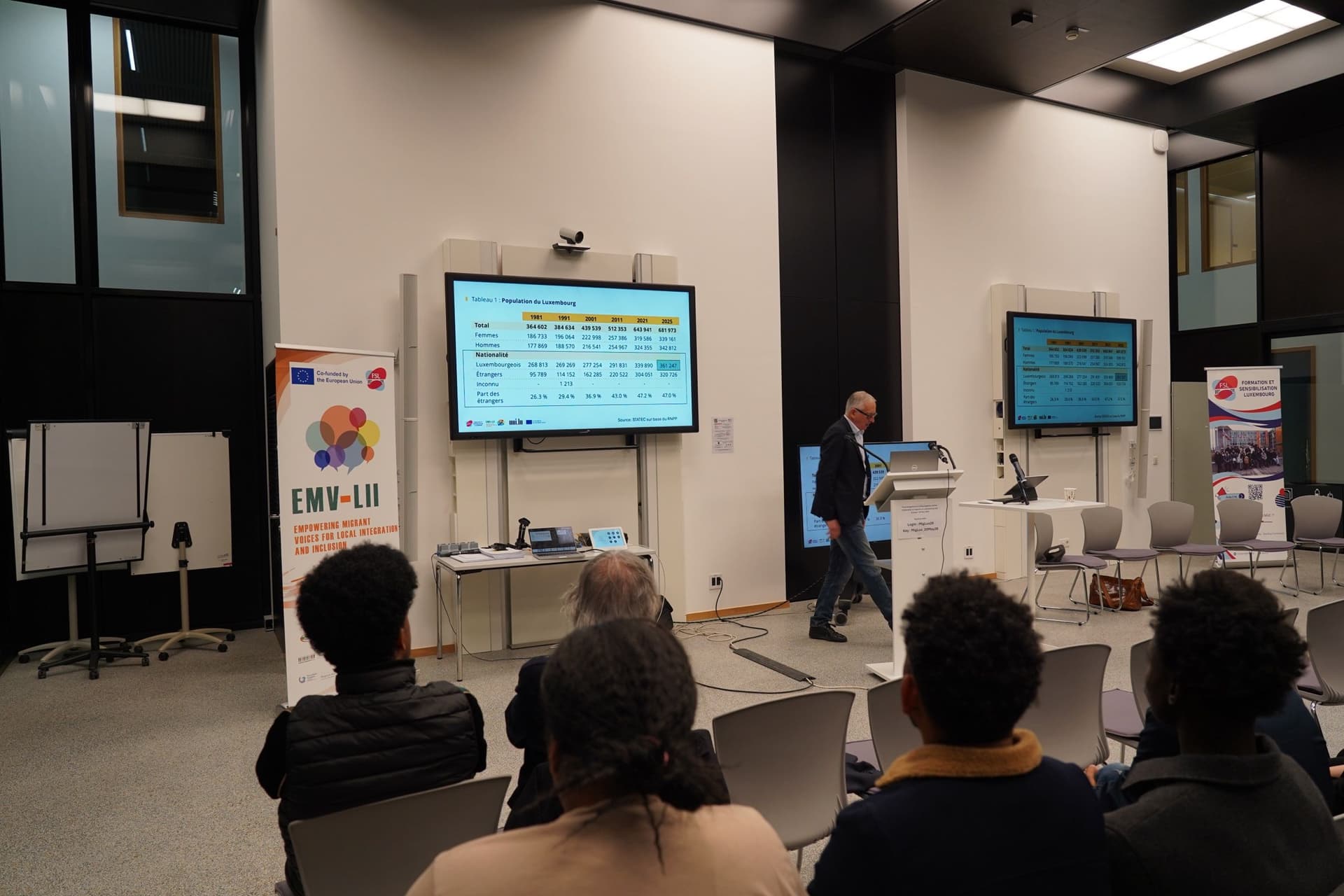
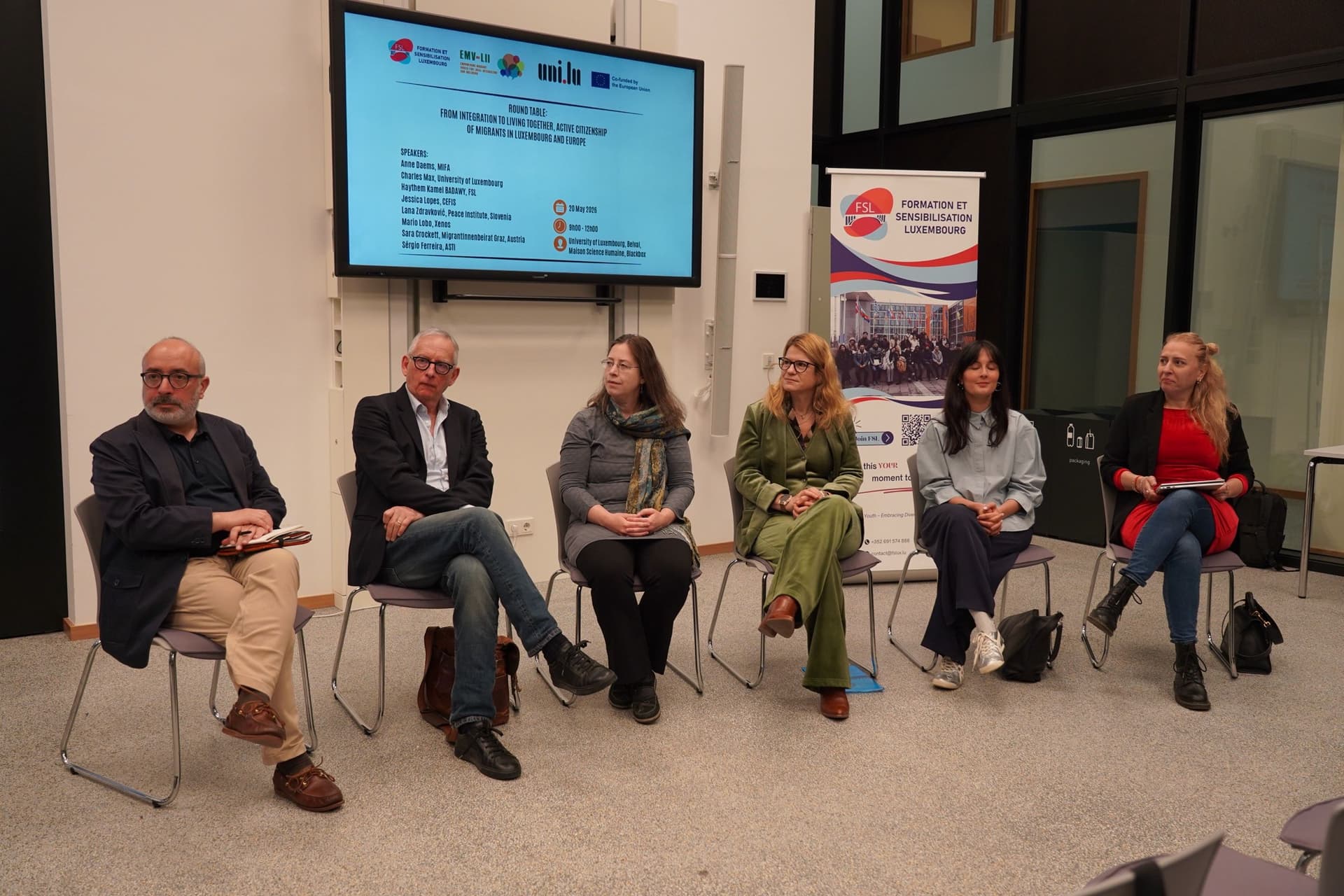
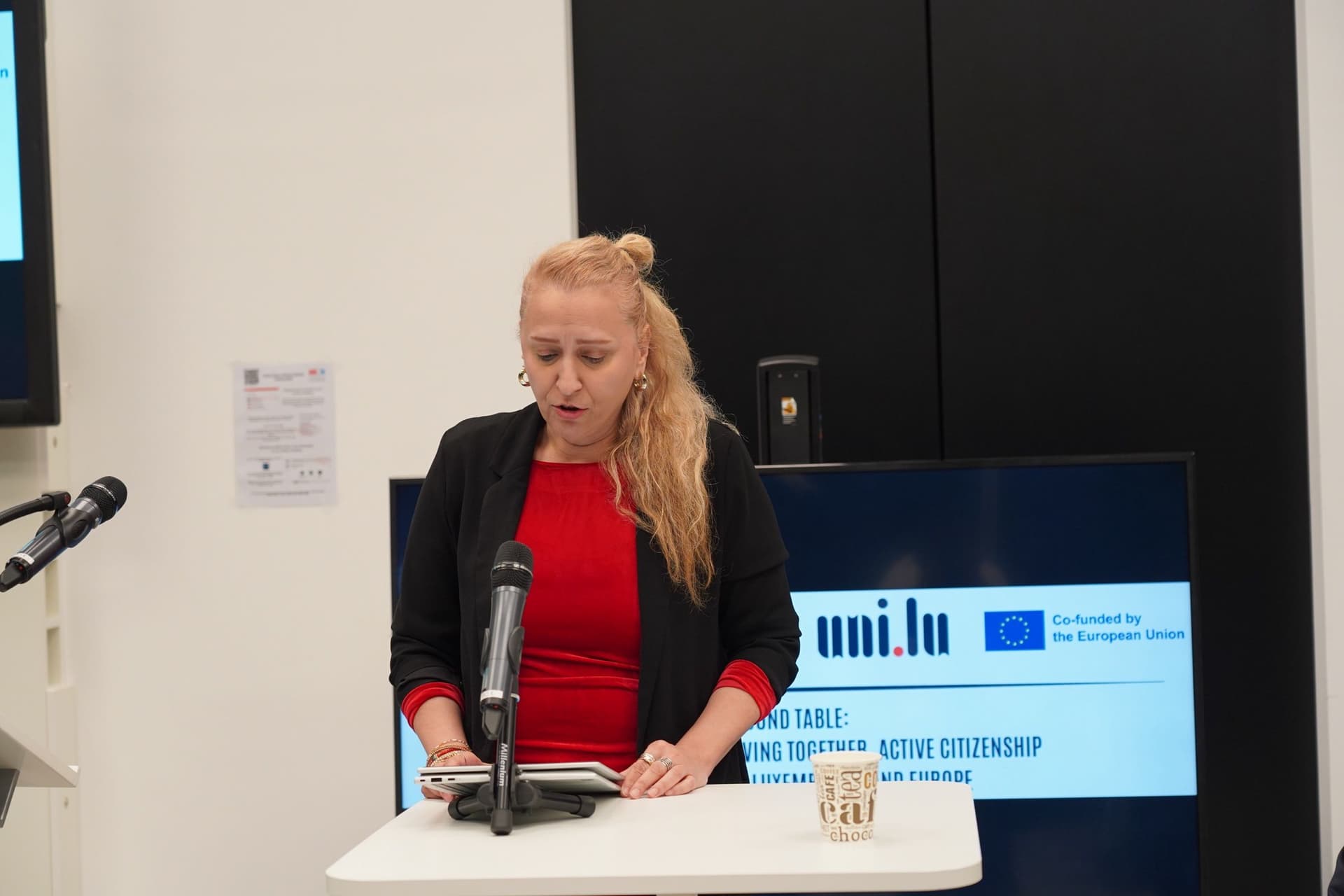
One of the central activities of the study visit was a roundtable hosted at the University of Luxembourg's Belval Campus on 20 May 2026, focusing on the integration and participation of migrants and refugees. The programme featured contributions from representatives and experts connected to ASTI, CEFIS, the Peace Institute in Slovenia, the Migrants Advisory Board of Graz, the National Council of Foreigners in Luxembourg and the Higher Council for Intercultural Living Together.
Understanding Luxembourg's Asylum and Reception System
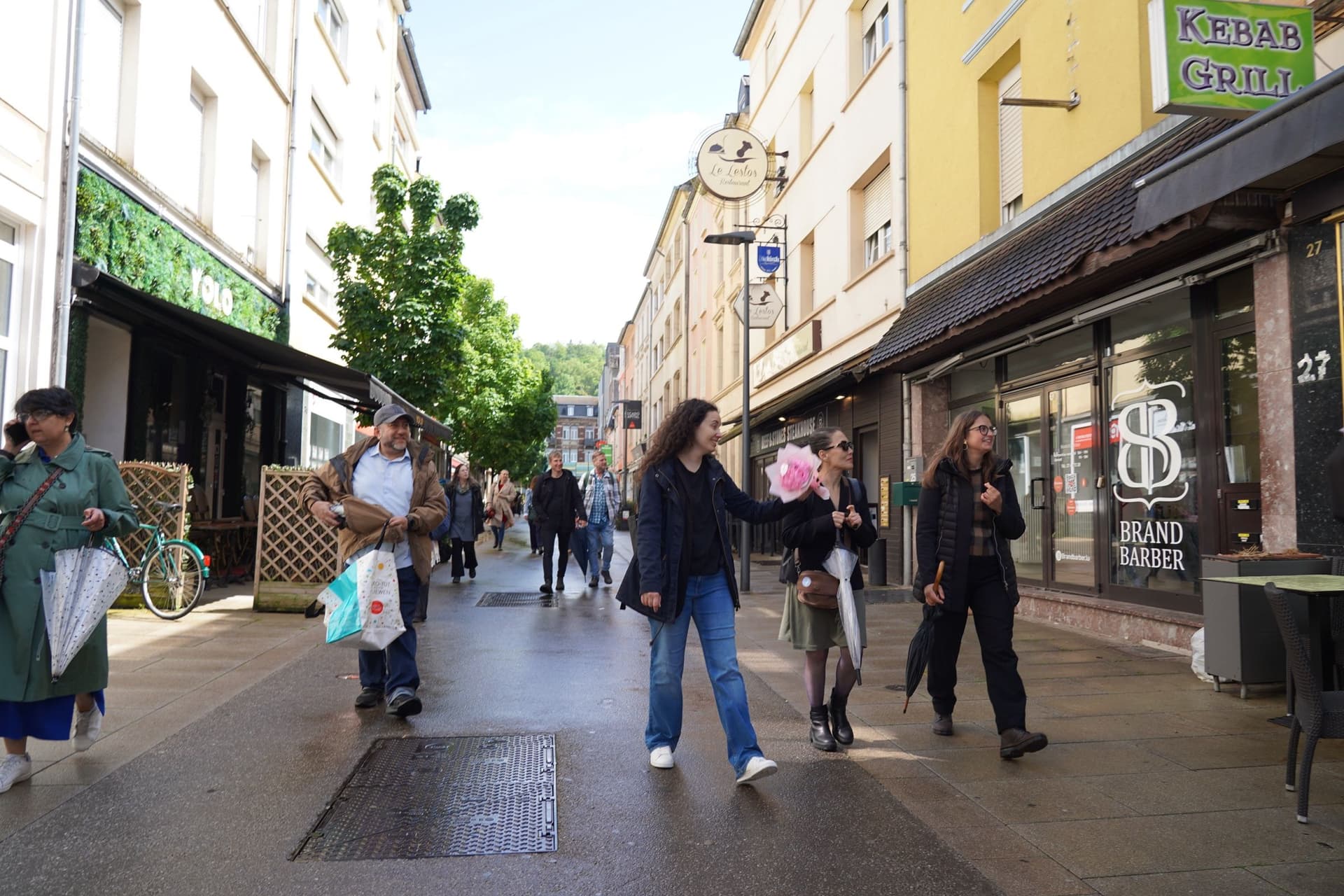
On 21 May, participants visited the National Reception Office (Office national de l'accueil – ONA) in Luxembourg City, with a focus on the reception process for people seeking international protection. The programme also included a visit to the European Parliament's Europa Experience, connecting national and local discussions about migration and integration with the wider European institutional context.
Outcomes & Impact
Learning from Different European Experiences
By bringing together professionals and organisations from different national contexts, the study visit created opportunities to compare approaches, identify transferable practices and reflect on how local initiatives can contribute to broader European cooperation.
Stronger Cooperation Between Actors
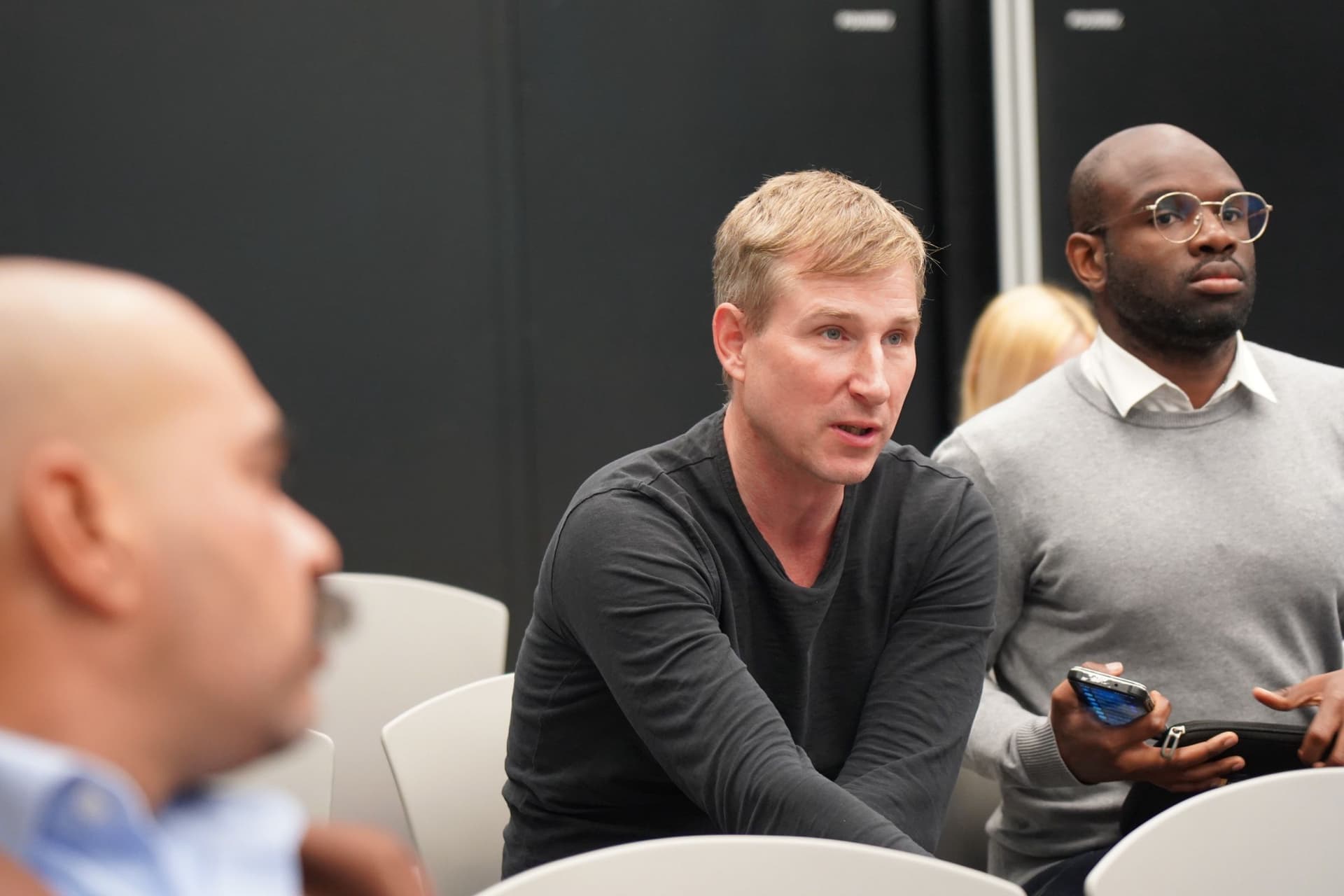
PIPAMI encouraged participants to consider how stronger cooperation between municipalities, universities, public authorities, civil society organisations and community initiatives can contribute to more coherent and people-centred approaches to migration and integration.
Inclusion as Participation
PIPAMI reinforced an important message: inclusion is not only about welcoming people into a society, but also about ensuring that they have the opportunity to participate, contribute and help shape its future.
From Institutional Visits to Practical Learning
The study visit was designed to connect knowledge with direct observation and professional exchange. This approach encouraged reflection on several important questions:
- How can municipalities create opportunities for migrants and refugees to participate in community life?
- What role do civil society organisations play in supporting inclusion and access to rights?
- How can research contribute to better-informed integration policies?
- Why is migrant representation important for democratic participation?
- How can European organisations adapt successful practices from other countries to their own local realities?